


Product Features:
High Filtration Efficiency
The filter element is designed to capture particles of various sizes, ranging from larger dust particles to fine aerosols. High-quality materials such as microfiber, activated carbon, or stainless steel mesh are used for filtration layers, which can achieve efficiency ratings of up to 99.9% for particles as small as 0.01 microns.
Multi-Stage Filtration
Many filter elements include multi-layer filtration, combining a pre-filter for larger particles with fine filters for smaller contaminants. This ensures maximum air purity and extends the lifespan of the fine filter layers by preventing premature clogging.
Low Pressure Drop Design
An efficient filter element maintains a low pressure drop, optimizing airflow through the filter while minimizing energy consumption. This design reduces strain on the compressor and leads to more energy-efficient operation, which helps cut down on operational costs.
Durable Construction
Filter elements are typically built with robust materials like stainless steel, polyester, or synthetic fibers to withstand harsh environmental conditions and high pressures. This durable design ensures the element can handle extended use without degrading, which is especially important in demanding industrial settings.


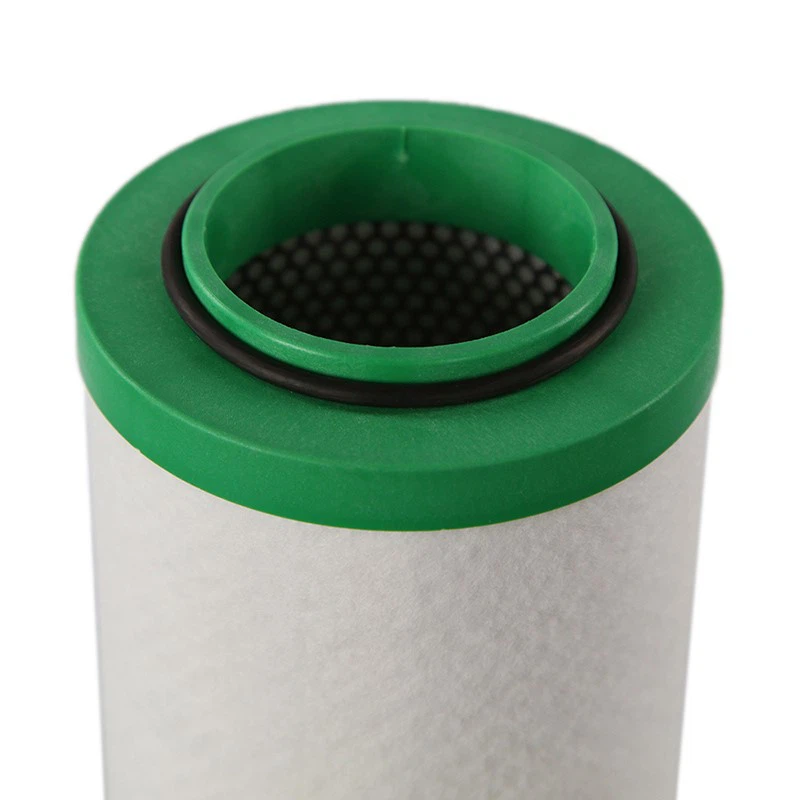

Applications of Compressed Air Cartridge Filters
Pharmaceuticals
In the pharmaceutical industry, compressed air is used in a variety of applications, including drug manufacturing, tablet coating, and packaging. The air used in these processes must be free from contaminants to avoid compromising the quality of the drugs. They ensure that the air meets the stringent cleanliness standards required for pharmaceutical production, helping to maintain the sterility and integrity of the products.
Food and Beverage
In the food and beverage industry, compressed air is often used in processes such as mixing, conveying, and packaging. Any contamination in the air can lead to product spoilage or recalls. Cartridge filters remove particles, moisture, and oil from the air, ensuring that it is clean and safe for use in contact with food products. This helps manufacturers comply with food safety regulations and maintain product quality.
Automotive Manufacturing
In automotive manufacturing, compressed air is used for painting, cleaning, and powering pneumatic tools. Contaminants in the air, such as oil and moisture, can negatively affect the quality of paint finishes or cause wear and tear on tools. They help ensure that the air is clean and dry, preventing costly defects and extending the lifespan of expensive equipment.
Electronics Industry
The electronics industry relies on highly clean air for applications such as circuit board production and component assembly. Even the smallest contaminants can cause damage to sensitive electronic components. They play a crucial role in ensuring that the air used in these processes is free from particulates, oil, and moisture, preventing costly damage and ensuring product reliability.
Customization Options and Competitive Pricing
High-efficiency filter elements are available in a wide variety of sizes, configurations, and filtration grades to suit different applications. Many manufacturers offer customization options, allowing businesses to select filter elements that meet their specific needs in terms of size, flow rate, and contaminant removal. These filters can be tailored to fit existing air systems or designed for new installations.
Despite their advanced technology and high performance, high-efficiency filter elements are competitively priced, offering excellent value for money. Businesses can choose from a range of products that fit their budget while still providing the necessary level of air filtration. Bulk purchasing options are often available, reducing the overall cost for large-scale operations that require regular filter replacements.
FAQ:
1.What is the purpose of using a Filter Element in an air compressor system?
The Filter Element is used to remove impurities like dust, oil aerosols, and moisture from compressed air. This prevents contaminants from reaching end applications, ensuring clean air for sensitive processes and prolonging the lifespan of downstream equipment.
2.How often should a Filter Element for an air compressor be replaced?
Replacement frequency depends on factors like the contamination level, operational hours, and the specific requirements of the application. Generally, it's recommended to replace the filter every 6 to 12 months, or as soon as there is a noticeable increase in pressure drop.
3.What materials are typically used in Filter Elements for air compressors?
Filter elements often use materials like microfiber, activated carbon, stainless steel mesh, and polyester. These materials are chosen for their high dirt-holding capacity, durability, and ability to handle a wide range of contaminants and operating conditions.
4.How does a low-pressure drop design benefit the air compressor system?
A low-pressure drop design ensures optimal airflow through the filter without causing excessive strain on the air compressor. This reduces energy consumption, lowers operational costs, and helps maintain consistent air pressure in the system, contributing to efficient overall performance.
5.Are these Filter Elements compatible with all air compressor brands?
Many Filter Elements are designed to be universally compatible, fitting a wide range of air compressor models and brands. However, it's advisable to confirm compatibility based on the specific model and requirements to ensure optimal fit and performance.


