


The fundamental operation of an air compressor involves drawing in atmospheric air, compressing it to increase its pressure, and then storing or distributing this high-pressure air for various applications. The process begins with the intake phase, where air is pulled into the compressor through an inlet valve. The air then passes through the compression stage, where it is pressurized by one or more stages of compression, depending on the compressor's design. Finally, the compressed air is either stored in a receiver tank or transported through pipelines to where it is needed.
Advantages:
High Efficiency: They provide a consistent and reliable source of high-pressure air, which is crucial for powering pneumatic tools and machinery. Their efficiency contributes to increased productivity while reducing energy consumption, making them cost-effective for long-term operations.
Durability and Reliability: Built with robust materials such as cast iron or steel, air compressors are designed to withstand harsh industrial environments. Their durable construction ensures reliable performance over extended periods, minimizing downtime and maintenance costs.
Versatility: These compressors can be used across various industries, from manufacturing and construction to automotive and oil & gas. Their ability to deliver compressed air for diverse applications makes them highly versatile and adaptable to different operational needs.
Scalability: They come in various sizes and types, allowing them to be scaled according to the specific needs of the application. Whether for small workshops or large-scale industrial plants, there is a compressor suitable for the task.
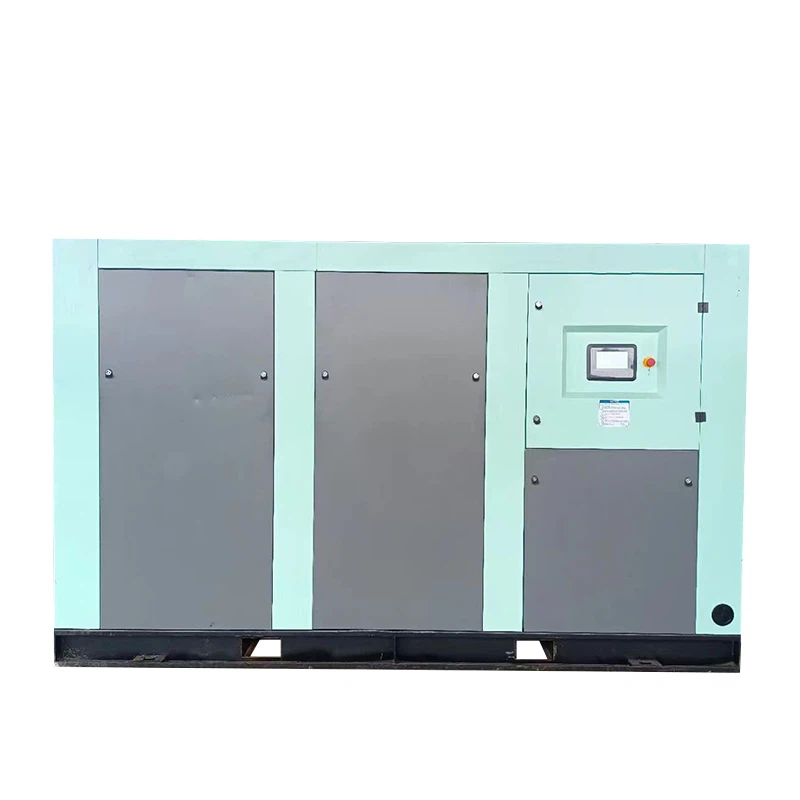
Applications:
Manufacturing: They are essential in manufacturing processes for powering assembly lines, operating pneumatic tools, and controlling automation systems.
Construction: In the construction industry, air compressors are used to power tools such as jackhammers, drills, and sandblasters.
Automotive: In automotive repair and maintenance, air compressors power tools like impact wrenches, spray guns, and tire inflators, making them indispensable in garages and workshops.
Energy Sector: In the oil and gas industry, air compressors are used for drilling, pipeline control, and instrument air supply. They are also critical in power plants for various operational needs.
Mining: They are used in mining for ventilation, powering equipment, and ensuring safe and efficient operations in underground and surface mining activities.
high
quality
Advanced
Equipment
Professional
Team
One-Stop
Solution
high quality
advanced equipment
professional team
global shipping
FAQ:
What makes air compressors highly efficient in long-term operations?
They are designed to provide a consistent and reliable supply of high-pressure air, essential for powering pneumatic tools and machinery. Their efficiency lies in their ability to maintain this consistent air pressure, which increases productivity while minimizing energy consumption. This makes them cost-effective for prolonged use in various industrial settings.
How do air compressors ensure durability and reliability in harsh environments?
These compressors are constructed using robust materials like cast iron or steel, which are resistant to wear and tear even in demanding industrial conditions. Their heavy-duty design and construction allow them to operate reliably over extended periods, reducing the need for frequent maintenance and minimizing downtime, thus ensuring continuous and stable operation in harsh environments.
In what ways are air compressors versatile across different industries?
They are adaptable to a wide range of applications, from powering assembly lines in manufacturing and operating pneumatic tools in construction, to supporting processes in the automotive and oil & gas industries. This versatility comes from their ability to deliver compressed air at various pressures and volumes, making them suitable for diverse operational needs across different sectors.
How can air compressors be scaled to meet specific operational requirements?
They are available in different sizes and types, allowing businesses to select a compressor that best fits their specific needs. For example, a small workshop may require a compact, single-stage compressor, while a large manufacturing plant might need a multi-stage or rotary screw compressor for continuous, high-demand applications. This scalability ensures that the compressor can efficiently meet the operational demands of any given environment.
Why are air compressors considered cost-effective for long-term industrial use?
Due to their high efficiency, durability, and reliable performance,they help reduce energy costs, minimize downtime, and lower maintenance expenses over time. Their ability to deliver consistent and reliable compressed air for various applications ensures that they are a cost-effective investment, providing long-term value in industrial operations.


