

Are you falling victim to these 7 major energy-wasting culprits in your compressed air system?
In many factories, compressed air is a standard utility, yet it is often the biggest "money pit" in the entire facility.
You might not realize that the unit cost of compressed air is typically 7 to 8 times that of electricity.
Even more frustrating: the equipment isn't broken and the system is running, yet electricity bills keep climbing.
The problem often lies hidden in details you might overlook-issues that seem harmless but are quietly driving up energy consumption.
Here are seven common energy-wasting traps in compressed air systems that we've identified through on-site inspections-how many have you encountered?
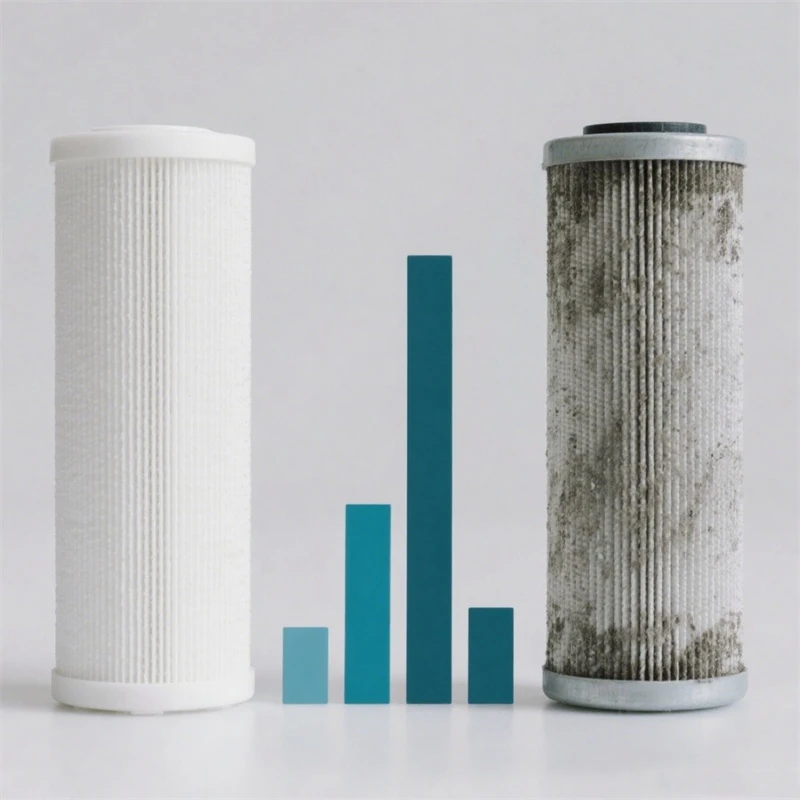
I. Clogged Filter Elements: The most common-and often overlooked-"pressure drop killer"
Filters are designed to remove solid particles, moisture, and oil mist from compressed air. However, if the filter element becomes clogged, airflow encounters greater resistance (pressure drop). To maintain the required downstream pressure, the compressor is forced to run under load for extended periods, causing energy consumption to skyrocket.
Typical signs:
Increased filter housing temperature
Fluctuating downstream air pressure
Extended compressor run times
✅ Recommendation:
Replace filter elements every 6–12 months, depending on the operating environment.
Replace immediately if the pressure differential across the filter exceeds 0.7 bar.
II. Pipeline Leaks: The silent "killer" of your electricity budget
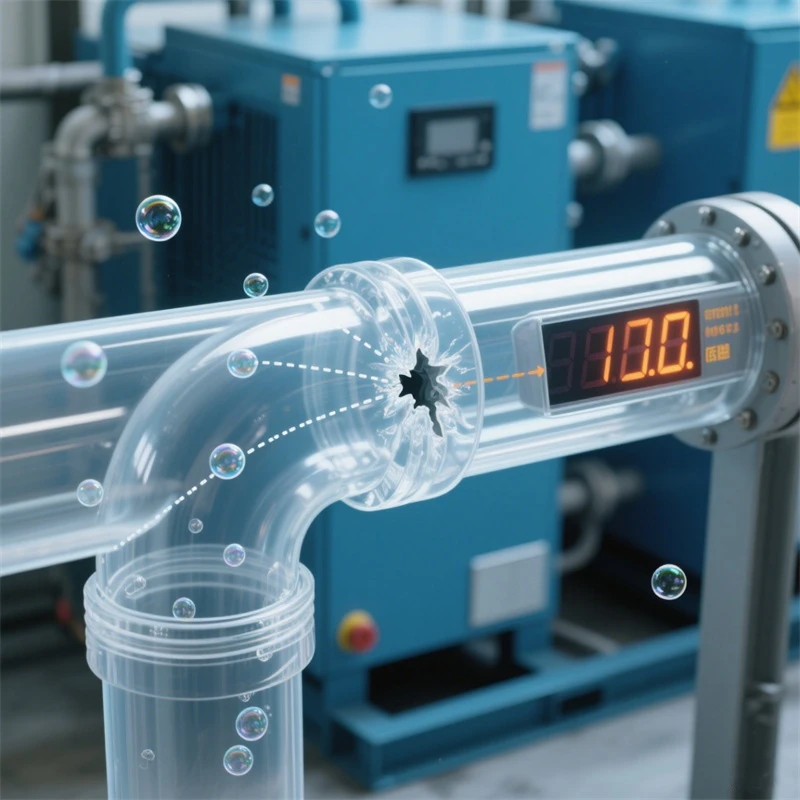
Statistics show that 20% to 30% of the energy in a compressed air system can be wasted due to leaks.
Many people assume only "major leaks" are critical; in reality, a hole just 2mm in diameter-at a pressure of 7 bar-can leak approximately 3,000 cubic meters of air annually, resulting in thousands of dollars in wasted electricity costs.
Typical signs:
Compressor continues to load frequently during idle periods
Consistently high power consumption despite stable air demand throughout the day
Faint "hissing" sound of air leakage
Common leak points:
Loose quick-connect fittings
Valves not fully closed
Aging pipelines or vibration-induced cracks
✅ Recommendations:
Conduct regular inspections, focusing on fittings, valves, and hoses
Use ultrasonic leak detectors if conditions permit
III. Aging or malfunctioning drains: Leaking both water and air
Equipment such as refrigerated dryers, filters, and air receivers generates condensate during operation. If the drain fails to discharge effectively, moisture accumulates and enters the air supply line; conversely, if it discharges excessively, valuable compressed air is lost over time.
Typical signs:
Continuous air leakage and "hissing" sounds at the drain outlet
Excessive water accumulation in refrigerated dryers or air receivers, impairing drying performance
Condensate entering the air lines, causing rust and failure in end-use equipment
✅ Recommendations:
Switch to "Zero Loss" automatic drains
Perform monthly checks to ensure proper drainage and prevent blockages or excessive air loss
Install a pressure-maintaining valve in the drainage system
IV. Excessively high pressure settings: Higher isn't always better
Many sites set system pressure very high just to "play it safe."
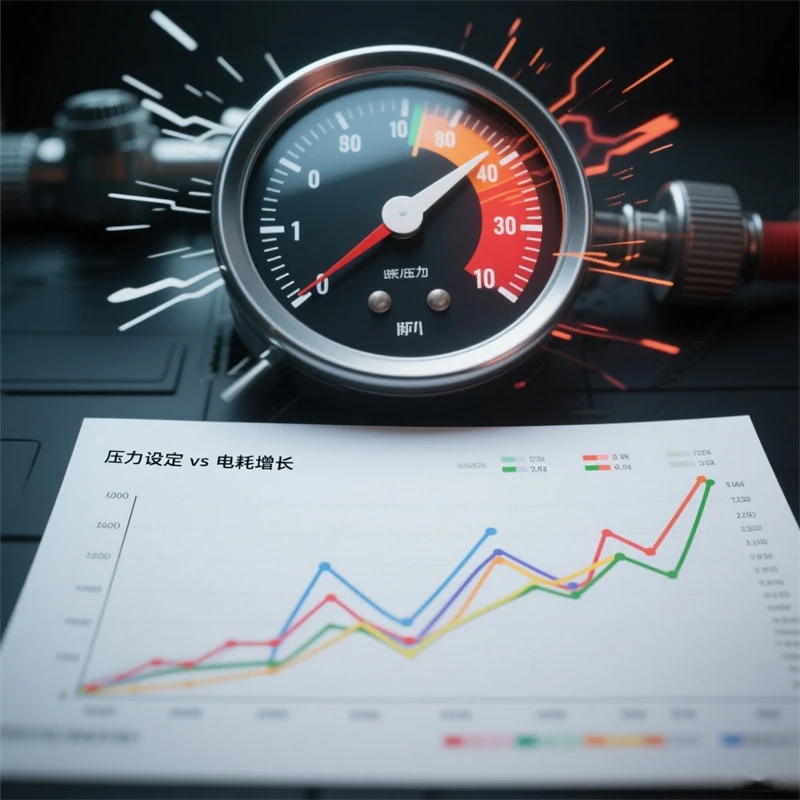
But did you know? For every 1 bar increase in pressure, energy consumption rises by approximately 7%–10%.
Typical issues:
Compressor output set to 8 bar when the actual point-of-use requirement is only 5 bar
Relying on increased pressure to compensate for significant fluctuations in production line air demand
✅ Recommendations:
Precisely match pressure settings to point-of-use requirements; use zoned pressure settings
Optimize load/unload cycles by utilizing air receivers and unload controllers
V. Improper selection of drying equipment; long-term overload operation
The system often operates at full load for extended periods, especially when the air compressor is undersized or the equipment is aging.
If refrigerated or desiccant dryers lack sufficient processing capacity, dew point fluctuations occur, compromising air quality. Overload operation can also lead to high lubricating oil temperatures, reduced airend lifespan, and frequent equipment failures. Typical symptoms:
High equipment temperature; fans running with abnormal frequency
Unstable outlet air temperature
Increased frequency of dew point alarms
✅ Recommendations:
Periodically assess whether system load matches equipment capacity
For multi-unit parallel systems, implement intelligent load rotation control
If necessary, add parallel refrigerated or desiccant dryers to share the flow load
VI. Indiscriminate usage: Treating compressed air as a "universal tool"
The most common examples include using air compressors to blow away dust, clean floors, or blow air on people. While these actions may seem convenient, they represent the most wasteful form of usage. Compressed air entails high energy consumption and production costs; misuse is not only wasteful but also poses safety risks.
Bear in mind that the energy cost per unit of compressed air is roughly 7–8 times that of electricity; using it for cleaning or cooling is akin to "washing your feet with Moutai" (an extremely expensive liquor).

✅ Recommendations:
Regulate non-process air usage and prohibit the casual use of compressed air
Promote the use of low-pressure blowers or vacuum equipment as alternatives
Conduct training to standardize operator air usage habits
VII. Lack of monitoring systems: Relying on "listening to the sound" to gauge operation
Many factory compressed air systems lack real-time monitoring; consequently, operators often fail to immediately detect issues such as leaks, over-pressure, or dryer malfunctions.
Consequences:
Delayed fault warnings and persistent, undetected hazards
Inability to track pressure differential changes, dew point fluctuations, or air consumption trends
Decisions and maintenance rely solely on "experience"
✅ Recommendations:
Implement a compressed air system management platform for data visualization
Install pressure, dew point, and flow sensors at key points
Utilize remote O&M (operations and maintenance) and automatic alarm mechanisms to boost efficiency
Closing thoughts:
If the system "looks normal" yet electricity costs remain stubbornly high, you may have fallen into an "energy consumption trap."
Saving money on compressed air systems isn't about simply having "more or larger equipment";
True energy reduction and efficiency gains come from mastering the details.
These "energy consumption black holes" often hide in the most ordinary places. Have you noticed them?
Feel free to share the issues you've encountered at your factory in the comments section; we would be happy to analyze your system configuration for free and identify potential areas for optimization.