


What is High Pressure Air Dryer
An air dryer is a piece of equipment or a drying system that removes moisture from the air. Compressed air drying systems or equipment are essential for facilities with a compressed air system since compressed air increases a space' s relative humidity. Air dryers work in different ways, depending on the system you have. However, they all draw moisture out of the air so that vapor does not condense and your system can continue running at maximum efficiency. Air dryers use adsorption, filtration, absorption, refrigeration and diffusion to eliminate excess moisture from the air.

PD Series Refrigeration Air Dryer
Capacity: 6~180 m3/min
Max. working pressure : ≤1.5MPa (15barg)
Max. inlet temperature : 60℃
Max. ambient temperature : 50℃
Min. ambient temperature : 5℃
Max. cooling water temperature : 40℃
Cooling type : Air-cooled
water cooled version from 120 to 1800
Power supply: 220V/1Ph/50Hz/60Hz (RSL*-60-PD ~ RSL*-150-PD)
380V/3Ph/50Hz/60Hz (RSL*-200-PD ~ RSL*-1800-PD)
Refrigerant: R134a/R407C
Rated condition :
Rated working pressure : 0.7MPa
Inlet temperature : 38℃
Ambient temperature : 38℃
Cooling water temperature : 32℃
PDP : 3-10℃
Other :
For pressure of < 1.5MPaor > 0.4MPa.

High Temperature Refrigeration Air Dryer
Capacity: 1~15 m3/min
Max. working pressure : ≤1.5MPa (15barg)
Max. inlet temperature : 80℃
Max. ambient temperature : 50℃
Min. ambient temperature : 5℃
Max. cooling water temperature : 35℃
Cooling type : air-cooled / water cooled
Power supply: 220V/1Ph/50Hz/60Hz
Refrigerant: R134a/R407C
Rated condition :
Rated working pressure : 0.7MPa
Inlet temperature : 60℃
Ambient temperature : 38℃
Cooling water temperature : 32℃
PDP : 3-10℃
Other :
For pressure of < 1.5MPaor > 0.4MPa
please contact us.

High Pressure Refrigeration Air Dryer
Capacity: 1.2~80 m3/min
Max. working pressure : ≤4.5MPa (45barg)
Max. inlet temperature : 60℃
Max. ambient temperature : 50℃
Min. ambient temperature : 5℃
Max. cooling water temperature : 35℃
Cooling type : Air-cooled
water cooled version from 150 and above
Power supply: 220V/1Ph/50Hz/60Hz (RSLF-12-HP ~ RSLF-150-HP)
380V/3Ph/50Hz/60Hz (RSLF-200-HP ~ RSLF-800-HP)
Refrigerant: R134a/R407C
Rated condition :
Rated working pressure : 4.0MPa
Inlet temperature : 38℃
Ambient temperature : 38℃
Cooling water temperature : 32℃
PDP : 3-10℃
Other :
For pressure of < 1.5MPaor > 0.4MPa.

SSD Series Refrigeration Air Dryer
Capacity: 0.6~4.0 m3/min
Max. working pressure : ≤1.6MPa (16barg)
Max. inlet temperature : 60℃
Max. ambient temperature : 50℃
Min. ambient temperature : 5℃
Cooling type: Air-cooled
Power supply: 220V/1Ph/50Hz or 60Hz
Refrigerant: R134a / R407C
Rated condition:
Rated working pressure : 0.7MPa
Inlet temperature : 38℃
Ambient temperature : 38℃
PDP : 3-10℃
Other :
For pressure of < 0.4MPa or > 2.0MPa
please contact us
When the working pressure > 1.6Mpa
the electrical drain needs to be replaced

ST Series Refrigeration Air Dryer
Capacity range :100~550 m3/min
Working pressure : ≤ 1.0MPa (10barg)
Max. inlet temperature : 50℃
Max. ambient temperature : 45℃
Min. ambient temperature : 5℃
Max. cooling water temperature : 35℃
Cooling type : Air-cooled / water-cooled
Power supply : 380V/3Ph/50Hz or 60 Hz
Refrigerant : R407C
Rated condition :
Working pressure : 0.7MPa,
Inlet temp : 38℃
Ambient temp : 38℃
Cooling water temperature : 30℃
PDP : 2-10 ℃
Other :
For pressure of < 1.0MPa or > 0.4MPa
Please contact us.

A High Pressure Air Dryer is a specialized piece of equipment designed to remove moisture from compressed air in systems that operate at exceptionally high pressures. These dryers are critical in ensuring the reliability and efficiency of compressed air systems, especially in demanding industrial applications where standard air dryers might not suffice due to the high pressure requirements.

High Inlet Temperature Air Dryer
The High Inlet Temperature Air Dryer is a specialized air dryer designed to handle compressed air systems where the inlet air temperature is significantly higher than standard levels. This product is engineered to ensure that even under challenging conditions, where the inlet temperature can reach up to 80°C, the compressed air delivered remains dry and free from moisture, ensuring the efficiency and longevity of industrial equipment.
Why Choose Us
High quality products
We always put customer needs and expectations in the first place, refine on, continuous improvement, to seek every opportunity to do better, to provide customers with their expectations of quality products, to provide customers with the most satisfactory service at anytime.
Professional team
We have a team of skilled and experienced professionals who are well-versed in the latest technology and industry standards. Our team is dedicated to ensuring that our customers get the best service and support possible.
Customer satisfaction
Providing after-sales services can enhance customer satisfaction by ensuring that customers' needs are met even after the purchase. This can lead to increased customer loyalty and positive word-of-mouth referrals.
Advanced equipment
We take strong measures to ensure that we use the highest quality equipment in the industry and that our equipment is regularly and meticulously maintained.
Competitive prices
We offer our products at competitive prices, making them affordable for our customers. We believe that high-quality products should not come at a premium, and we strive to make our products accessible to all.
Rich experience
Has a long-standing reputation in the industry, which makes it stand out from its competitors. With over many years of experience, they have developed the skills necessary to meet their clients' needs.
Why Are Air Dryers Important
Prevents freezing
If vapor condenses into water, the water can freeze in the face of low temperatures. Freezing can lead to jams in moving components. It can also accumulate on process lines and interfere with process or product fluid movement.
Halts water buildup
Water will build up in small pockets within downstream equipment without moisture removal. Too much buildup can cause sensitive equipment to perform inaccurately, harming production quality and output.
Removes contamination
Contamination is a serious danger for industries using high-purity compressed air. Areas like plasma generation, food and pharmaceutical products manufacturing, laser cutting and welding, painting, coating and shot blasting all require pure compressed air to function. If water builds up, efficiency decreases, productivity slows or products get damaged.
Reduces microbial growth
The pharmaceutical and food and beverage industries use compressed air to mix and convey product. Water is prone to bacteria growth, and any water in your condensed air system can quickly lead to food and beverage spoilage or contamination. Additionally, small amounts of microbes in pharmaceutical plant products can result in entire batches being thrown out to avoid health risks.
Improves efficiency
If your facility uses air-powered equipment and tools powered by energy from compressed air systems, water will reduce its efficiency. It can damage internal components and reduce the power delivered, impacting production.
Inhibits corrosion
Water is excellent at corroding steel. Components like pipes, drums, vessels and tanks are typically made from steel and will begin to break down when moisture buildup turns to water and corrosion. When corrosion forms, process and product streams can quickly become contaminated.
Types of High Pressure Air Dryer
Refrigerated Air Dryers
They cool the compressed air to cause condensation and collect and drain the liquid water through an internal moisture separator, leaving the compressed air completely dry.
Desiccant Air Dryers
These dryers use desiccant agents to dry the compressed air in a process called adsorption (the moisture attaches itself to the desiccant without dissolving). To avoid desiccant saturation, they also include a regeneration process that ejects the accumulated moisture from the dryer.
Chemical Air Dryers
Instead of a desiccant bed, the compressed air passes over a bed of moisture-absorbing chemicals, such as calcium chloride, sodium, or lithium. These dryers require a high-quality filtration system to dispose of the chemicals that attract and collect the moisture. Chemical dryers are inexpensive to install, easy to operate, and require minimal monitoring. However, their performance depends on the efficiency of the filtration systems. Additionally, disposal of saturated chemicals may be expensive or complicated, depending on the location and nature of your business.
Membrane Air Dryers
Used as dehumidifiers or for applications that need gas separation, membrane air dryers direct the compressed air across bundles of semi-permeable membrane fibres. These dryers are ideal for single points-of-use or smaller projects. While they are easy to operate and maintain and do not require electricity, they need a frequent change in the prefilter for effective functioning.

Compressed air dryers are commonly rated to achieve a specific moisture level (e.g. 40°F pressure dew point) for a certain volume of air flow (cfm). This nominal flow rating is typically based on a set of standard conditions (100 psig, 100°F inlet temperature, and 100°F ambient temperature). In practice, your actual conditions can change from day to day and are rarely the standard conditions, and the dryer may be over or undersized depending on how it is selected.
When sizing a dryer, it' s important to understand how temperature and pressure affect water content in the air. The water vapor content of air varies directly with temperature-if temperature increases, the air' s ability to hold water increases. As a rule of thumb, every 20°F rise in inlet air temperature may double the water load on a dryer. Pressure is the opposite. The water vapor content of air varies inversely with pressure-if pressure increases, it squeezes moisture out. Because of these two relationships, compressed air dryers have correction factors (supplied by the manufacturer) to help determine how much air a dryer can actually handle for specific conditions.
Air is a colourless, odourless, tasteless mixture of many gases, primarily nitrogen and oxygen. It is naturally contaminated with solid particles, such as dust, sand, soot and salt crystals. This contamination varies with differing environments and altitudes.
Water vapour is another natural ingredient that can be found in variable amounts in the air. The amount of water vapour and contamination of the air plays a vital role in the compression process and in the quality of the air delivered by the compressor.
The damaging and corrosive properties of water are well known. Untreated air at atmospheric pressure contains large amounts of water and other contaminants such as oil droplets and dirt particles.
When the air is compressed the concentration of moisture and other contaminants increases. If allowed to remain in the system, this corrosive mixture has a detrimental effect on pneumatic equipment, causing unnecessary production downtime, product spoilage and reduced equipment life.
Compressed air dryers are used to remove moisture from the compression process, protecting equipment and products from harm and ensuring clean, dry air quality.
How to Choose the Right Air Dryer: Things to Consider When Choosing an Air Dryer
Choosing the right air dryer will increase system efficiency, increase productivity and reduce downtime. When considering the purchase of an air dryer, the following considerations may be useful:
Flow rate
Choosing the right air dryer depends on the maximum capacity of your air compression system. Capacity is determined in SCFM at 100 PSIG and can also be approximated by multiplying the air compression horsepower times four.
Operating pressure
The best air dryer for your needs also depends on the minimum and maximum operating pressure of your system. Dryers are rated at 100 PSIG. For every increase from 100 PSIG, capacity is reduced. As pressure increases, moisture load decreases, reducing strain on the compression system.
Air inlet and dew point temperature
You should also consider the minimum and maximum operating air inlet temperature, based on your system, and then determine the dew point requirements. The best dryer type will meet those requirements, working effectively at a dew point temperature below the lowest ambient temperature to which the compressed air system may be exposed. You can calculate the required dew point temperature by taking the lowest air temperature and lowering it by 20 degrees. While refrigerated dryers are sufficient for most purposes, critical applications requiring low moisture in the air line may require a desiccant dryer.
Ambient temperature
By determining the minimum and maximum operating ambient air temperature of your system, you should be able to choose between a low-temperature dryer and a high-temperature dryer. Ambient temperature above 100 degrees Fahrenheit may exceed the maximum inlet temperature of your dryer. Consider larger driers or high-temperature driers, which can withstand higher ambient temperatures during summer months. The ideal pressure dew point for your air system should be lower than the lowest ambient temperature experienced at your facility. If not, moisture will condense in the air lines. You should consider whether air lines are exposed to outdoor temperatures in summer and winter or through air-conditioned areas.
Application and environment
A significant factor in choosing the right type of dryer involves consideration of air usage. Most applications can use a refrigerated dryer, which produces air with 10 to 20 percent relative humidity. Desiccant dryers, on the other hand, produce less than 0.5 percent relative humidity in the outlet air, and are used in higher-quality air instrumentation applications that require a pure stream of air.
Key Components and Design of Compressed Air Dryer
Function: In many dryers, especially refrigerated types, air-to-air heat exchangers pre-cool the incoming air using the cold outgoing air, improving efficiency.
Design Considerations: The effectiveness of an air-to-air heat exchanger depends on its surface area and the airflow rate. Larger surface areas and optimized airflow paths enhance heat exchange efficiency, contributing to overall dryer performance.
Function: These are crucial in refrigerated dryers, where the warm, moist air is cooled by refrigerant, causing moisture to condense into water.
Design Considerations: The choice of materials and the design of the heat exchanger must accommodate the refrigerant used, ensuring durability and resistance to corrosion. Additionally, the system should be designed for easy maintenance and cleaning to prevent efficiency losses over time.
Function: In desiccant dryers, the desiccant material adsorbs moisture from the air. Regeneration systems are used to dry out the desiccant, making it reusable.
Design Considerations: The choice of desiccant (e.g., silica gel, activated alumina) depends on the required dew point and operating conditions. Regeneration can be heatless, using a portion of dried air, or heated, using an external heat source. The system design must ensure efficient regeneration to maintain drying effectiveness while minimizing energy consumption.
Function: These components are essential for removing liquid water that condenses during the drying process, especially in refrigerated and deliquescent dryers.
Design Considerations: The efficiency of moisture separators is critical to prevent water from re-entering the air stream. Centrifugal, coalescing, or other types of separators can be used, each with specific efficiency and pressure drop characteristics that must be considered.
Function: To ensure the quality of the outgoing air, dryers are often equipped with filters and purifiers that remove particulates, oil vapors, and odors from the compressed air.
Design Considerations: The selection of filters and purifiers should match the purity requirements of the application. Maintenance access and the ease of replacing filter elements are important design aspects to consider.
Function: Modern dryers often incorporate sophisticated control systems for monitoring and adjusting the drying process, ensuring optimal performance and energy efficiency.
Design Considerations: The control system should be user-friendly and capable of adjusting the dryer' s operation based on varying conditions, such as changes in airflow or ambient temperature. Connectivity and integration with plant management systems can also offer advantages in monitoring and maintenance.
Our Factory
Hangzhou Risheng Decontamination Equipment Co.,Ltd. is a compressed air treatment (filtration, drying and purification) solution provider with own research and development (R&D), manufacturing, sales, and service capabilities. Risheng was established in 1992, and has constantly adhered to its development path of "Quality First and Continuous Innovation" ever since.

Certifications
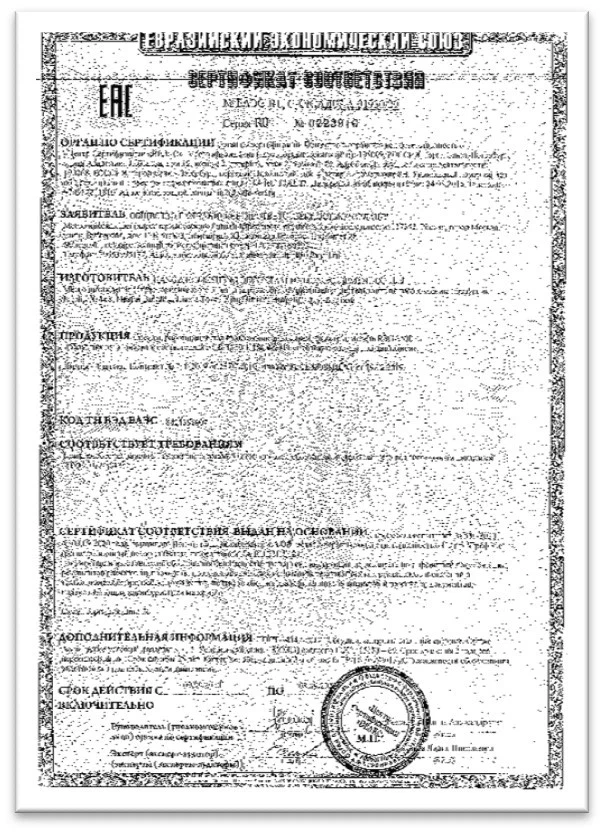
Vice President of Industry Association; ISO 9001 Quality System Accreditation both domestically and internationally; CE Certificate in the European Union; British AEA, and German TÜV.



FAQ


