


Advantages of High Pressure Compressed Air Filters
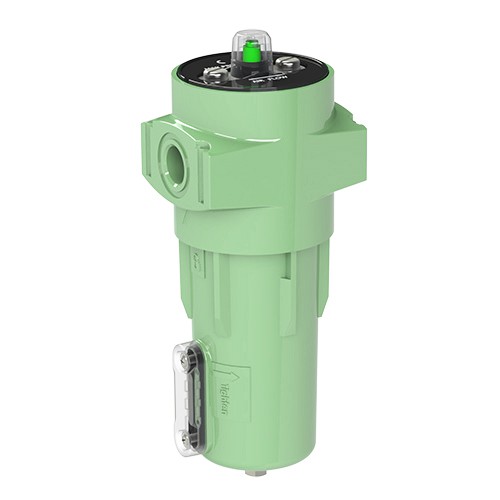
Effective Contaminant Removal: The high-pressure compressed air filter is engineered to remove a wide range of contaminants, including solid particles, oil mist, and moisture. By utilizing advanced filtration media, it effectively captures impurities as small as 1 micron or less, ensuring ultra-clean air is delivered even in high-pressure environments.
Durability and High Performance: These filters are built with robust materials like stainless steel and aluminum, capable of withstanding the high pressures typical in certain industries, often up to 500 psi or more. This ensures the filter remains functional and reliable under extreme conditions, offering long-term durability without frequent replacements.
Improved Efficiency: By removing contaminants from the air supply, the filter helps improve the overall efficiency of downstream equipment such as pneumatic tools, air cylinders, and actuators. Clean air reduces wear and tear on these components, resulting in less maintenance, fewer breakdowns, and improved productivity.
Energy Savings: Contaminated air can lead to pressure drops and reduced efficiency in air compressors and other equipment. By maintaining clean, contaminant-free air, these filters ensure minimal pressure loss and optimal system performance, contributing to significant energy savings over time.
Protects Sensitive Equipment: High-pressure compressed air filters are vital in industries where sensitive equipment is used, such as precision manufacturing, food and beverage production, and pharmaceuticals. Clean air ensures that equipment functions optimally, reducing the risk of contamination, mechanical failure, or product defects.

Products Certificate

why choose us?
The Compressed Air Filter is a critical component in industrial processes where air purity and equipment protection are paramount. To ensure it consistently delivers optimal performance, the filter is engineered in accordance with stringent international standards. It often complies with ISO 8573-1, which classifies compressed air quality into specific purity classes, ensuring the filter can effectively remove particles down to a specified size, often as small as 1 micron or less. Additionally, certifications from bodies such as ASME (American Society of Mechanical Engineers) or CE (Conformité Européenne) guarantee that the filter meets safety and performance standards for pressure vessels and related equipment.
These certifications ensure the filter can be trusted for use in a wide range of industries, including pharmaceuticals, food and beverage, automotive manufacturing, and electronics, where clean air is critical to maintaining product quality, reducing downtime, and preventing costly equipment damage. The certified design not only enhances the filter's durability and operational longevity but also reassures businesses that the product adheres to rigorous quality assurance processes. This commitment to safety, reliability, and efficiency ensures that the Compressed Air Filter can meet the demanding needs of industrial applications, even in harsh operating conditions.
one-stop solution
professional team
high quality
FAQ
1. What contaminants does a high-pressure compressed air filter remove?
A high-pressure compressed air filter removes particulates, oil mist, and moisture from compressed air. It is designed to capture contaminants as small as 1 micron or less, ensuring that air supplied to equipment is clean and free from harmful impurities.
2. How does a high-pressure compressed air filter improve energy efficiency?
By removing contaminants from the air stream, the filter prevents pressure drops and helps maintain optimal system performance. Clean air reduces the workload on compressors and downstream equipment, resulting in lower energy consumption and cost savings.
3. What industries benefit most from high-pressure compressed air filters?
Industries such as oil and gas, pharmaceuticals, automotive manufacturing, aerospace, and food and beverage production benefit the most. These industries rely on clean, high-pressure air for sensitive processes and equipment that require optimal performance and contamination-free environments.
4. How often should a high-pressure compressed air filter be replaced?
The replacement frequency depends on the specific operating environment and air quality. Many filters are equipped with indicators that show when maintenance or replacement is needed, but regular inspections should be conducted to ensure continued efficiency and prevent system damage.
5. Can a high-pressure compressed air filter remove moisture from the air?
Yes, high-pressure compressed air filters are designed to remove moisture as well as particulates and oil mist. Some models also include additional coalescing or adsorption filters for enhanced moisture removal, ensuring that compressed air is dry and suitable for sensitive applications.


