


Benefits of Combination Air Dryer
Flexibility
Combined dryers can adjust their operating modes according to various application requirements, making them adaptable to different humidity levels in work environments.
Efficient dehumidification
By integrating refrigeration and adsorption technologies, combined dryers effectively remove moisture from compressed air, ensuring the delivery of dry gas.
Reliability
Utilizing multiple technologies, combined dryers are often more reliable than single-technology dryers. Even if one technology experiences a malfunction, the other can maintain drying performance.
Stability
Through the amalgamation of diverse technologies, combined dryers provide more consistent output in terms of gas humidity and temperature, ensuring production stability in industrial processes.
Wide applicability
Compressed air combination dryer are suitable for various industrial domains, including electronics manufacturing, food processing, pharmaceutical production, and more, meeting diverse requirements for dryness and gas purity.
Energy optimization
In certain scenarios, combined dryers can better balance energy consumption, resulting in more efficient drying performance.
Ease of maintenance
Despite integrating multiple technologies, combined dryers are usually designed with user-friendly maintenance in mind, ensuring relatively simple upkeep.

Zero Loss Heat Of Compression Desiccant Dryer
Capacity range : 6~600 m3/min
Pressure range : 0.4~1.0MPa (4~10barg)
Min. inlet temperature : 180 ℃ (for screw compressor) 110℃ (for centrifugal compressor)
Max. cooling water temperature : 35 ℃
Power supply : 220V/1Ph/50Hz (standard)
380V/3Ph/50Hz (add additional heating device)
Work cycle : 8h
PDP : -20 ℃ , -40 ℃
Rated condition:
Working pressure : 0.7Mpa
Inlet temperature : 120 ℃
PDP : -40℃ (for screw compressor) -20℃ (for centrifugal compressor)
Cooling water temperature : 32 ℃
Other :
For high pressure type ≥ 1.0Mpa and high inlet temperature type > 140 ℃ can be customized.

Heated Blower Zero Loss Adsorption Dryer
Capacity range : 18~200 m3/min
Pressure range : 0.5~1.0Mpa(4~10barg)
Max. inlet temperature : 45 ℃
Max. condition for blower suction : 40 ℃ (RH=65%)
Power supply : 380V/3Ph/50Hz
Work cycle : 8h
Pressure dew point : -20 ℃ , -40 ℃ , - 70℃
Rated condition :
Working pressure : 0.7Mpa
Cooling water temperature: 32℃
Inlet temperature : 38 ℃
PDP : -40 ℃
Other :
Inlet required for blower suction:38℃(RH=65%)
Please contact us for higher flow and operating pressure.

Heated Blower Adsorption Air Dryer
Capacity range : 40~500 m3/min
Pressure range : 0.4~1.0MPa (4~10barg)
Min. inlet temperature : 105 ℃
Max. cooling water temperature : 35 ℃
Power supply : 220V/1Ph/50Hz (standard)
380V/3Ph/50Hz (add additional heating device)
Work cycle : 8h
PDP : -20 ℃ , -40 ℃
Rated condition:
Working pressure : 0.7Mpa
Inlet temperature : 120 ℃
PDP : -20℃
Cooling water temperature : 30 ℃
Purge air loss : ≤ 1%
Other :
For high pressure type ≥ 1.0Mpa and high inlet
temperature type > 140 ℃ is available for custom-made.

External Heated Adsorption Air Dryer
Capacity range : 6~200 m3/min
Pressure range : 0.4~1.0Mpa(4~10barg)
Max. inlet temperature : 43 ℃
Max. condition for blower suction : 40 ℃ (RH=65%)
Power supply : 380V/3Ph/50Hz
Work cycle : 8h
Pressure dew point : -20 ℃ , -40 ℃ , - 70℃
Rated condition :
Working pressure : 0.7Mpa
Inlet temperature : 38 ℃
Ambient temperature : 38 ℃
PDP : -20 ℃
Other :
Inlet required for blower suction:38℃(RH=65%)
For high pressure type ≥ 1.0Mpa is available for custom-made.

Heatless Modular Adsorption Air Dryer (Tbc)
Capacity range : 3~500 m3/min
Pressure range : 0.4~1.0MPa (4~10barg)
Max. inlet temperature : 43 ℃
Max. ambient temperature : 45 ℃
Power supply : 220V/1Ph/50Hz
PDP : -20 ℃ , -40 ℃ , -70 ℃
Rated condition :
Working pressure : 0.7Mpa
Inlet temperature : 38 ℃
Ambient temperature : 38 ℃
PDP : -20 ℃
Other :
Regeneration air consumption < 7%.

Capacity range : 2~200 m3/min
Pressure range : 0.4~1.0MPa (4~10barg)
Max. inlet temperature : 50 ℃
Max. ambient temperature : 45 ℃
Power supply : 220V/1Ph/50Hz or 60Hz
PDP : -20 ℃ , -40 ℃ , -70 ℃
Rated condition :
Working pressure : 0.7Mpa
Inlet temperature : 38 ℃
Ambient temperature : 38 ℃
PDP : -20 ℃
Other :
Regeneration air consumption < 14%.
Why Choose Us
High quality products
We always put customer needs and expectations in the first place, refine on, continuous improvement, to seek every opportunity to do better, to provide customers with their expectations of quality products, to provide customers with the most satisfactory service at anytime.
Professional team
We have a team of skilled and experienced professionals who are well-versed in the latest technology and industry standards. Our team is dedicated to ensuring that our customers get the best service and support possible.
Customer satisfaction
Providing after-sales services can enhance customer satisfaction by ensuring that customers' needs are met even after the purchase. This can lead to increased customer loyalty and positive word-of-mouth referrals.
Advanced equipment
We take strong measures to ensure that we use the highest quality equipment in the industry and that our equipment is regularly and meticulously maintained.
Competitive prices
We offer our products at competitive prices, making them affordable for our customers. We believe that high-quality products should not come at a premium, and we strive to make our products accessible to all.
Rich experience
Has a long-standing reputation in the industry, which makes it stand out from its competitors. With over many years of experience, they have developed the skills necessary to meet their clients' needs.
Working Principles of Combined Air Dryers
The working principles of combined air dryers vary based on the specific combination of drying technologies. However, the general concept involves integrating different drying technologies into a single unit to achieve optimal moisture removal. Here's a simplified overview of the working principles:
Integration of Drying Technologies
Combined air dryers incorporate two or more drying technologies, such as refrigeration, desiccant adsorption, or membrane separation, into a single housing. Each technology performs a specific function in the moisture removal process.
Sequential Operation
The combined air dryer operates sequentially, with different drying technologies being activated based on the required dew point and operating conditions. For example, the refrigeration system may be used initially to remove a significant portion of moisture, followed by the desiccant adsorption or membrane separation stage for further moisture removal.
Intelligent Control System
Combined air dryers feature an intelligent control system that monitors and adjusts the drying technologies based on factors such as compressed air flow, ambient conditions, and desired dew point. The control system optimizes the drying process to achieve efficient and effective moisture removal.
Moisture Separation and Disposal
As moisture is removed from the compressed air, it needs to be separated and discharged from the system. Combined air dryers typically incorporate mechanisms such as condensate drains or moisture collection chambers to ensure proper disposal of collected moisture.
Key Components and Design of Compressed Air Dryer
Function: In many dryers, especially refrigerated types, air-to-air heat exchangers pre-cool the incoming air using the cold outgoing air, improving efficiency.
Design Considerations: The effectiveness of an air-to-air heat exchanger depends on its surface area and the airflow rate. Larger surface areas and optimized airflow paths enhance heat exchange efficiency, contributing to overall dryer performance.
Function: These are crucial in refrigerated dryers, where the warm, moist air is cooled by refrigerant, causing moisture to condense into water.
Design Considerations: The choice of materials and the design of the heat exchanger must accommodate the refrigerant used, ensuring durability and resistance to corrosion. Additionally, the system should be designed for easy maintenance and cleaning to prevent efficiency losses over time.
Function: In desiccant dryers, the desiccant material adsorbs moisture from the air. Regeneration systems are used to dry out the desiccant, making it reusable.
Design Considerations: The choice of desiccant (e.g., silica gel, activated alumina) depends on the required dew point and operating conditions. Regeneration can be heatless, using a portion of dried air, or heated, using an external heat source. The system design must ensure efficient regeneration to maintain drying effectiveness while minimizing energy consumption.
Function: These components are essential for removing liquid water that condenses during the drying process, especially in refrigerated and deliquescent dryers.
Design Considerations: The efficiency of moisture separators is critical to prevent water from re-entering the air stream. Centrifugal, coalescing, or other types of separators can be used, each with specific efficiency and pressure drop characteristics that must be considered.
Function: To ensure the quality of the outgoing air, dryers are often equipped with filters and purifiers that remove particulates, oil vapors, and odors from the compressed air.
Design Considerations: The selection of filters and purifiers should match the purity requirements of the application. Maintenance access and the ease of replacing filter elements are important design aspects to consider.
Function: Modern dryers often incorporate sophisticated control systems for monitoring and adjusting the drying process, ensuring optimal performance and energy efficiency.
Design Considerations: The control system should be user-friendly and capable of adjusting the dryer' s operation based on varying conditions, such as changes in airflow or ambient temperature. Connectivity and integration with plant management systems can also offer advantages in monitoring and maintenance.
Real-World Applications of Compressed Air Dryer
Industrial Manufacturing
In a large automotive manufacturing plant, precision and reliability are paramount. The use of compressed air dryers has been pivotal in preventing moisture-induced corrosion in pneumatic tools and machinery, leading to fewer breakdowns and maintenance issues. A particular case study shows that after the installation of high-efficiency refrigerated dryers, the plant saw a 30% reduction in unscheduled downtime, directly translating to increased productivity and reduced operational costs.
Food and Beverage Processing
Moisture control is critical in the food and beverage industry to prevent contamination and ensure compliance with health standards. A leading beverage company implemented desiccant air dryers in their bottling lines to eliminate moisture, resulting in a significant improvement in product shelf life and safety. The dryers helped maintain a sterile environment during packaging, reducing the risk of microbial growth and ensuring the products met stringent health regulations.
Pharmaceutical Industry
In the pharmaceutical industry, where air purity is non-negotiable, a major manufacturer adopted advanced membrane air dryers for their laboratory and production areas. This move was part of their strategy to adhere to Good Manufacturing Practices (GMP). The membrane dryers provided consistent, ultra-dry air, preventing contamination of sensitive products and critical processes. The case study highlighted how this technology helped maintain the integrity of the pharmaceutical products, ensuring their efficacy and safety for consumers.
Automotive and Aerospace
For the automotive and aerospace sectors, where the quality of paint finishes is crucial, the role of compressed air dryers cannot be overstated. An aerospace company reported that switching to high-performance refrigerated dryers significantly improved the quality of their paint finishes by eliminating water spots and inconsistencies. This enhancement in finish quality led to better product aesthetics and longevity, contributing to higher customer satisfaction and reduced rework costs.

The Adsorption Air Dryer market research reports indicate a steady annual growth rate of 8.2% from 2024 to 2031, driven by increasing demand for clean and dry compressed air in industries such as manufacturing, healthcare, and food processing. Key market conditions include rising investments in infrastructure development, stringent regulations regarding air quality, and technological advancements in adsorption air dryer systems. Despite the positive growth outlook, the industry faces challenges such as volatile raw material prices, high initial investment costs, and competition from alternative drying technologies. However, opportunities for market expansion exist in emerging economies, increasing focus on energy efficiency, and adoption of advanced adsorption air dryer systems. Overall, the Adsorption Air Dryer market presents promising prospects for growth but also requires innovative solutions to overcome challenges and capitalize on opportunities in the coming years.
5 Tips to Help You Choose a Combination Air Dryer for Industrial Applications
It is important to understand the different types of air dryers available
There are many types of dryers, including refrigerated, desiccant and membrane dryers, each with their own unique features and benefits. Combination air dryers often integrate two or more of these technologies to provide comprehensive dehumidification and filtration capabilities. When evaluating potential options, it is important to consider the specific requirements of the industrial operation and the environmental conditions in which the air dryer will be used.
Capacity and flow rate of the air dryer
It is crucial to choose a unit that can effectively handle the volume of compressed air required for your application. Additionally, dew point, a measure of the temperature at which moisture in the air begins to condense, is also an important consideration. Different industrial processes may have different tolerances for humidity levels, so it is important to choose a combination air dryer that can consistently achieve the required dew point.
The filtration level of the air dryer
Contaminants such as oil, dirt, and particles can affect the performance and lifespan of your equipment, so it' s crucial to choose a unit with effective filtration. Some combination air dryers also have features such as coalescing filters and activated carbon beds to further improve the quality of the compressed air.
Evaluate the overall reliability and durability of the combined air dryer
Look for a reputable manufacturer with a proven track record of producing high-quality equipment for industrial applications. Consider factors such as warranty coverage, service and support options, and availability of replacement parts. Reliable air dryers are critical to minimizing downtime and maintenance costs in your operations.
Consider the energy efficiency and operating costs of combined air dryers
Look for equipment with advanced controls and energy-saving features to help reduce power consumption and operating expenses. While upfront cost is an important consideration, it's also important to evaluate the long-term return on investment an air dryer provides.
Our Factory
Hangzhou Risheng Decontamination Equipment Co.,Ltd. is a compressed air treatment (filtration, drying and purification) solution provider with own research and development (R&D), manufacturing, sales, and service capabilities. Risheng was established in 1992, and has constantly adhered to its development path of "Quality First and Continuous Innovation" ever since.

Certifications
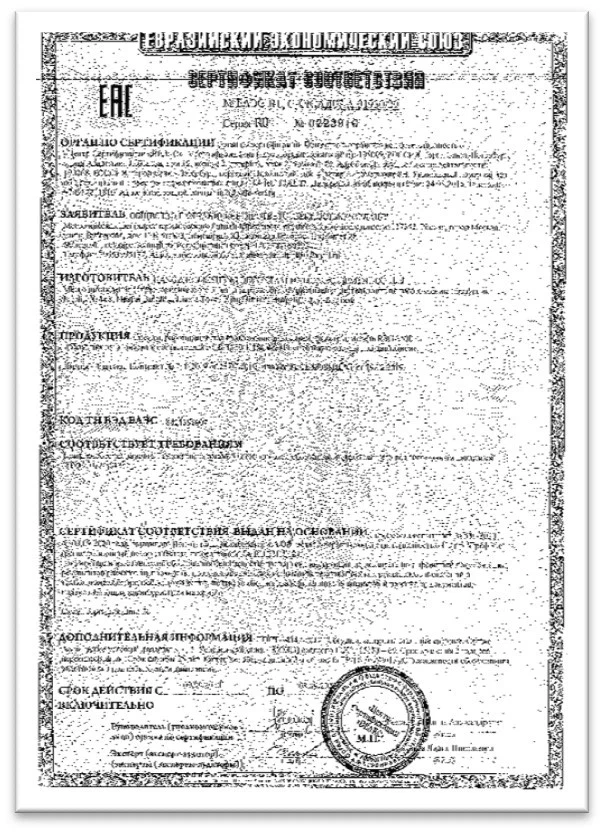
Vice President of Industry Association; ISO 9001 Quality System Accreditation both domestically and internationally; CE Certificate in the European Union; British AEA, and German TÜV.



FAQ


